


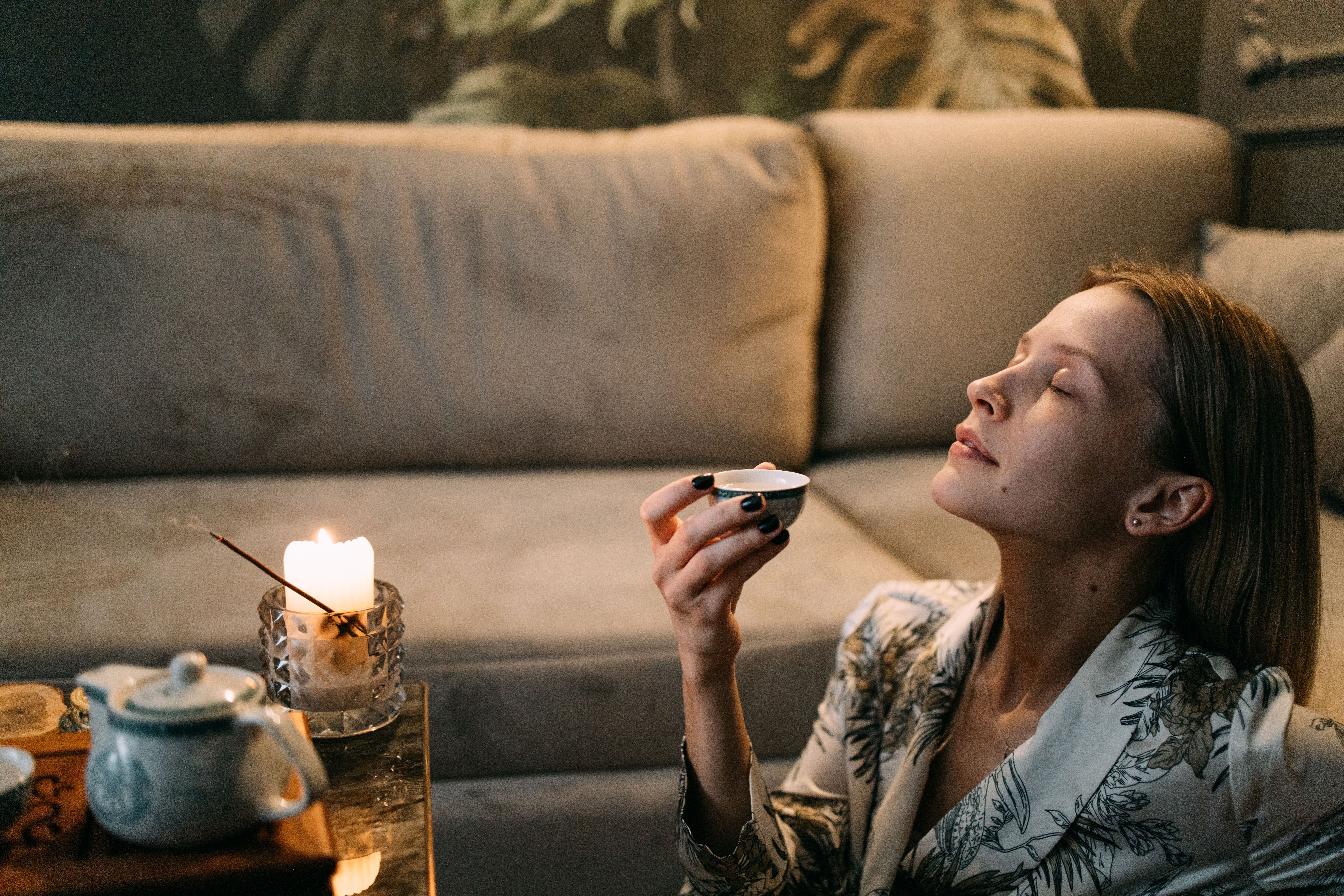
Best Essential Oils for Anxiety Relief: What Helps
It usually starts in a small, ordinary moment. You’re answering one more text, reheating the same coffee for the third time, and realizing your shoulders have been tight for hours. That buzzing, restless feeling can make your whole day feel louder than it really is. Best essential oils for anxiety relief is a phrase people search when they want something gentle, simple, and easy to reach for in real life.
Not because scent fixes everything. But because sometimes a familiar smell can help you slow down long enough to breathe more deeply, soften the edge of a tense moment, and feel a little more present in your body again.
This guide walks through which oils are worth trying, what they can realistically do, and how to use them without overcomplicating your day.
What this problem actually is
Anxiety is not just feeling stressed. For many people, it shows up as a racing mind, shallow breathing, irritability, tension in the chest or shoulders, trouble falling asleep, or that constant sense that something needs your attention right now.
What often gets misunderstood is this: a calming scent may support a moment of relief, but it is not the same thing as treating an anxiety disorder. Aromatherapy can be part of a soothing routine, but it is not a replacement for medical or mental health care when symptoms are persistent, intense, or worsening.
How it tends to show up
- A mind that will not power down at night
- A body that feels “on” even when you are sitting still
- Restlessness, irritability, or feeling emotionally short
- Physical tension, headaches, or tight breathing
- The urge to scroll, snack, clean, or stay busy instead of pausing
“I didn’t even realize how wound up I was until I smelled lavender and noticed I could finally unclench my jaw.” — Nina, Seattle
Why it happens
That overwhelmed feeling is usually not caused by one thing. It is often a pileup: poor sleep, too much stimulation, hormones, work pressure, family demands, physical tension, caffeine, uncertainty, and a nervous system that never really gets the message that it is safe to settle.
The hidden factors people miss
- Stress and anxiety are not always the same. Stress may be tied to a situation. Anxiety can stay in the body even when the room is quiet.
- Your body remembers patterns. If you are used to rushing, bracing, or multitasking, calm can feel unfamiliar at first.
- Sensory overload adds up. Noise, notifications, bright screens, and constant switching keep your nervous system activated.
- Scent is strongly linked to emotion and memory. That is one reason certain aromas can feel grounding very quickly.
“By the time I notice I’m anxious, I’ve usually been overstimulated for hours.” — Carla, Denver
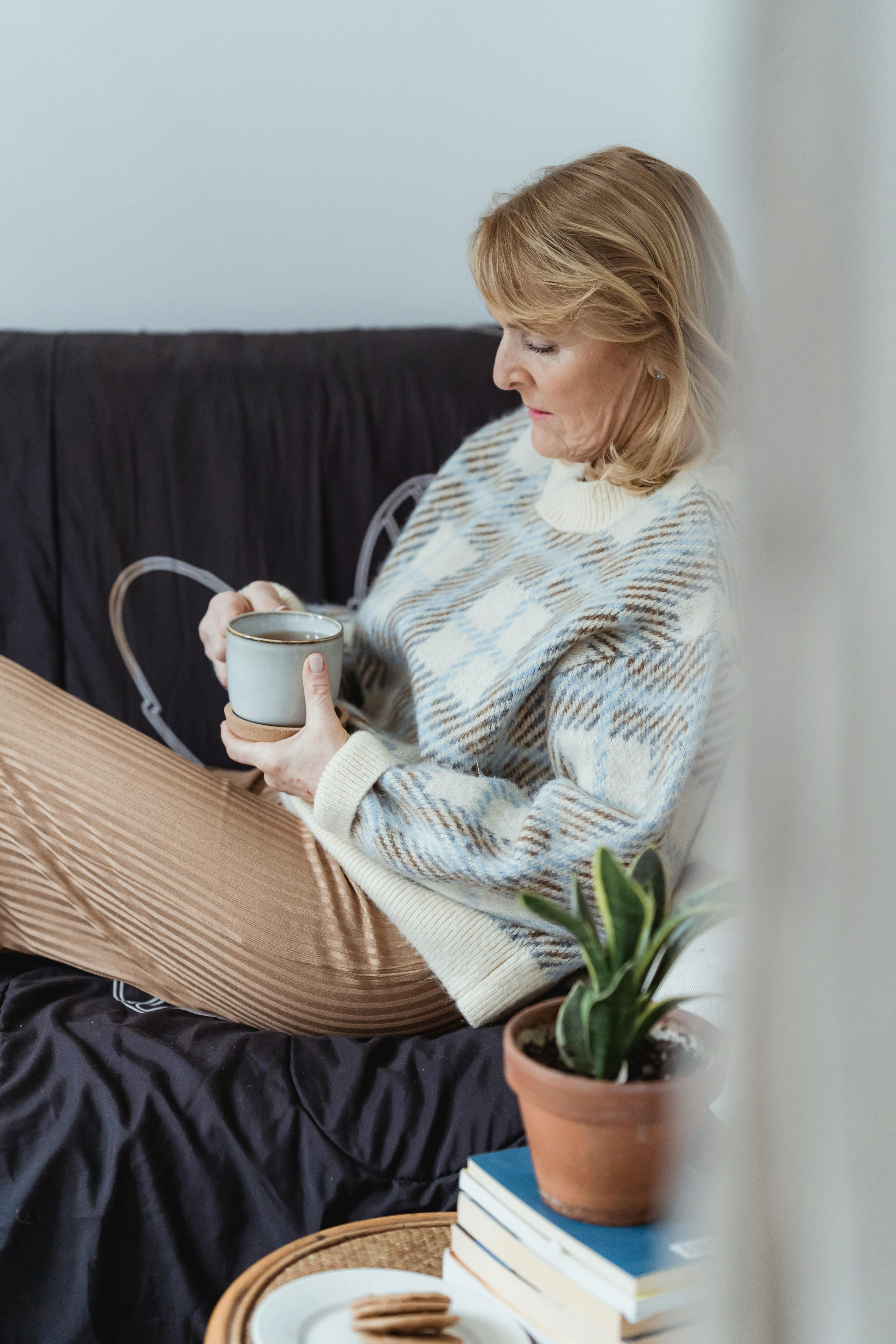
Calm usually starts with a cue, not a complete reset
For many people, scent works best as a pattern interrupt. You notice the smell, your breathing changes a little, your shoulders drop a little, and that gives you enough space to make a better next choice.
Who deals with this most
The people who look fine on the outside are often the ones carrying the most invisible tension. Aromatherapy tends to appeal to people who want something low-effort, non-intimidating, and easy to build into a normal day.
Common profiles
- Busy women in their 20s to 50s juggling work, kids, caregiving, or mental load
- People who feel tired but wired at night
- Anyone in a high-input season with too much screen time, noise, and decision fatigue
- People who dislike complicated wellness routines and need something fast and sensory
- Those who want support around bedtime or before stressful situations
“I don’t need another ten-step routine. I need one thing that helps me pause before I snap.” — Melissa, Calgary
What people try first and why it fails
Most people do not fail at calming routines. They just get handed advice that does not match real life. The usual pattern is trying too much, expecting too much, or choosing something that feels good in theory but not in practice.
Where it usually goes wrong
- Picking a scent because it is popular, not because you like it. A calming oil that smells harsh to you will not feel calming.
- Using too much. Strong scent can feel overwhelming when your nervous system is already overloaded.
- Expecting it to erase anxiety. These oils may support relaxation, not solve every underlying cause.
- Using the wrong method. A diffuser might help one person; another needs quick inhalation from a tissue or personal inhaler.
- Quitting too fast. What helps is often the repeatable ritual, not one dramatic moment.
“I thought I needed the strongest scent possible. Turns out I needed less.” — Jessa, Phoenix
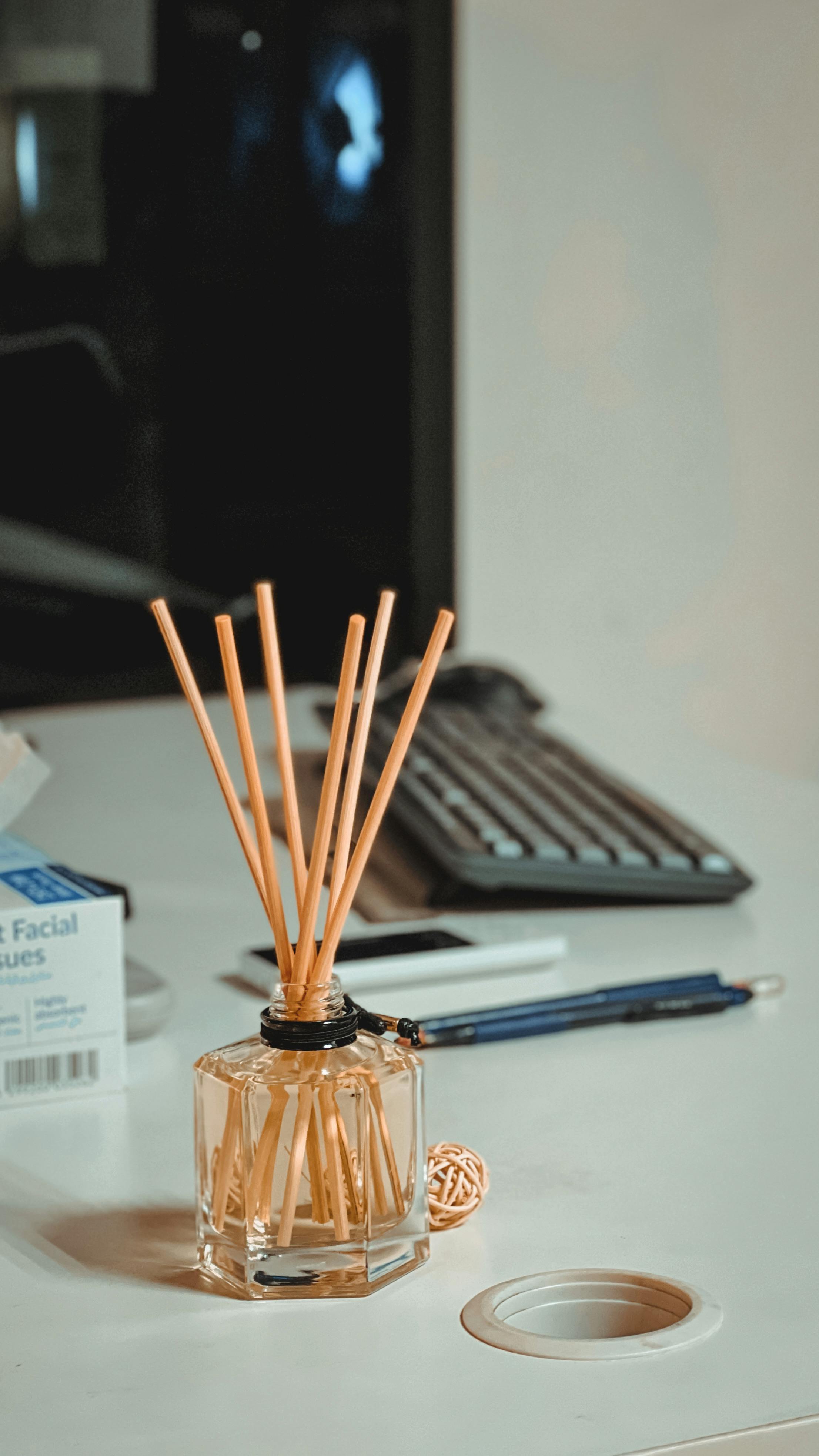
A softer ritual can work better than a stronger one
Many people think more scent means more relief. Often the opposite is true. A light, familiar aroma is easier for an already-stimulated mind to accept and easier to use consistently.
What actually helps and why
The oils people come back to most are usually the same few: lavender, bergamot, chamomile, frankincense, and vetiver. Not because they are magic, but because they tend to smell grounding, familiar, or emotionally soft in a way that supports relaxation.
The oils worth starting with
- Lavender for bedtime, tension, and that restless “I cannot switch off” feeling
- Bergamot when you want calm with a lighter, brighter mood
- Chamomile for evening softness and emotional gentleness
- Frankincense when you want something grounding and steady
- Vetiver for heavy, scattered, end-of-day nerves
Start with one oil and one use case. A few drops in a diffuser before bed, one drop on a tissue in your bag, or a diluted blend on your wrists can be enough to help a difficult moment feel more manageable.
“What helped most was realizing I didn’t need a miracle. I just needed a small ritual that felt kind.” — Dana, Chicago
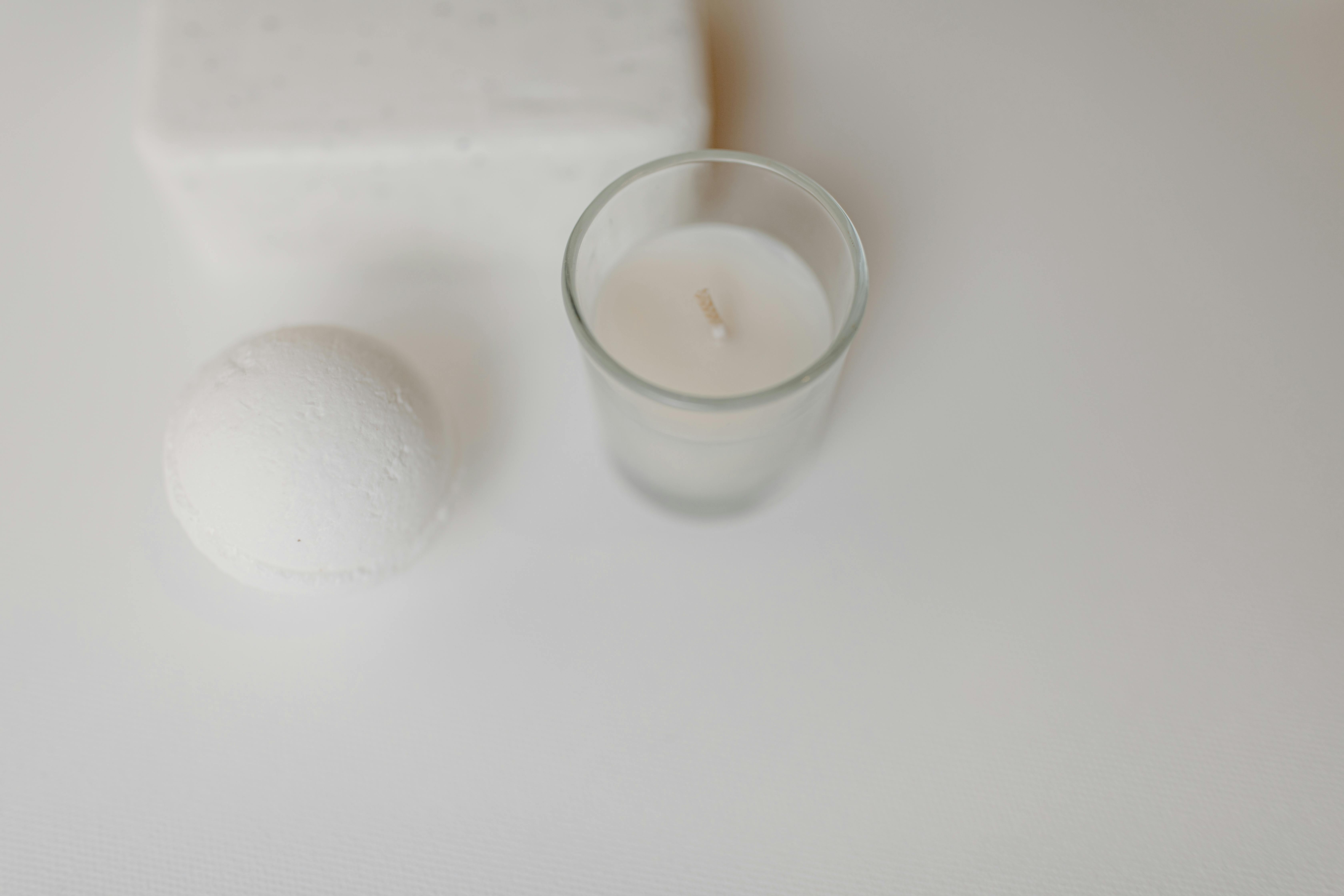
The best routine is the one you can repeat on hard days
A calming practice does not need to be impressive. One deep inhale before bed, one diffuser session during your evening reset, or one drop on a tissue in your bag is enough to count.
Realistic next steps
- Choose one oil first. Lavender is usually the easiest starting point.
- Pick one moment to use it. Bedtime, before a stressful meeting, or during the afternoon rush.
- Keep the method simple. Diffuser, diluted roll-on, or a drop on a tissue.
- Use less than you think. Light scent often feels better than heavy scent.
- Notice patterns. Does it help you exhale, feel less tense, or settle faster at night?
- Know when to get more support. If anxiety is affecting sleep, work, relationships, appetite, or daily functioning, it deserves professional care too.
What to stop expecting
- Instant emotional perfection
- A single scent to fix every kind of overwhelm
- Results if the smell itself feels irritating to you
“Once I treated it like support instead of a cure-all, it actually became useful.” — Brooke, Austin
Frequently Asked Questions
What scent helps most when you feel anxious?
Lavender is usually the first place to start because it is familiar, widely liked, and often used for relaxation and sleep. But the best choice is still personal. If lavender feels too powdery or strong, bergamot or chamomile may feel easier.
Do essential oils work for panic attacks?
They may help some people feel more grounded in the moment, especially through inhalation. But they are not a substitute for a panic plan, therapy, or medical support when panic attacks are frequent or severe.
What is the fastest way to use them?
Inhaling from a diffuser, tissue, or personal inhaler is usually the quickest and simplest. It is also the easiest way to test whether a scent feels genuinely calming to you before using it on skin.
Can you apply them directly to skin?
It is better to dilute them with a carrier oil first. Full-strength essential oils can irritate skin, and some people react even to oils that are commonly considered gentle.
What oils are best before bed?
Lavender, chamomile, and vetiver are the classic bedtime choices. They tend to feel softer and heavier in a good way, especially when your problem is that tired-but-wired feeling.
Can you mix oils together?
Yes. A simple two-oil blend is usually enough. Lavender plus chamomile is a common evening combination, while bergamot plus frankincense can feel bright but grounded.
Are they safe to use every day?
Usually, when used as directed and in moderation. Still, it is smart to patch test topical use, avoid ingesting essential oils unless guided by a qualified professional, and be extra cautious during pregnancy, around children, and around pets.
When life feels loud, the smallest rituals often do the most. A calming scent will not solve everything, but it can help you come back to yourself a little faster and with more softness.
Written by the Noorwa Editorial Team — reviewed for accuracy against current dermatological guidance.


